
Invisalign Treatment in Wellington & Boynton Beach, FL
Discreet, comfortable Invisalign® treatment designed around your life.
You’ve spent years taking care of everyone else — maybe it’s finally time to do something for yourself.
You want a smile you love, but the idea of metal braces doesn’t fit your lifestyle. You have meetings, social plans, photos, and a life to live. For your teen, braces can feel just as daunting — uncomfortable, obvious, and hard to manage.
You shouldn’t have to choose between confidence and convenience.
Here, orthodontic care feels effortless — and your results speak for themselves.
At Petrover Orthodontics, we make it easy. Dr. Jonathan Petrover is one of Wellington and Boynton Beach’s most trusted Invisalign® providers, known for creating beautiful, natural smiles with expertise, empathy, and precision.
Book Your Free Invisalign ConsultationNo pressure. Just a clear path to your best smile.

Why Invisalign® Is the Clear Choice
Braces work. But they come with limits — what you eat, how you brush, even how freely you smile. Invisalign® gives you the same stunning results, without the lifestyle restrictions.
- Completely Discreet – Nearly invisible aligners let you smile confidently at work, in photos, and everywhere in between.
- Freedom to Eat What You Love – Remove them for meals, coffee dates, and brushing. No off-limits list, no awkward moments.
- Unmatched Comfort – Smooth, custom-fit aligners move your teeth gently, without sharp edges or irritation.
- Smart, Predictable Results – Advanced 3D scanning technology lets Dr. Petrover design every movement with precision and efficiency.
“I didn’t realize how much I hid my smile until I finally loved it. The process was so easy — and no one even noticed I was wearing aligners.”
— Christina M., Wellington
Your Clear, Simple Path to a Confident Smile
Orthodontic treatment should fit your life — not the other way around. At Petrover Orthodontics, Invisalign is designed to be simple, personal, and refreshingly stress-free.
Schedule Your Free Consultation
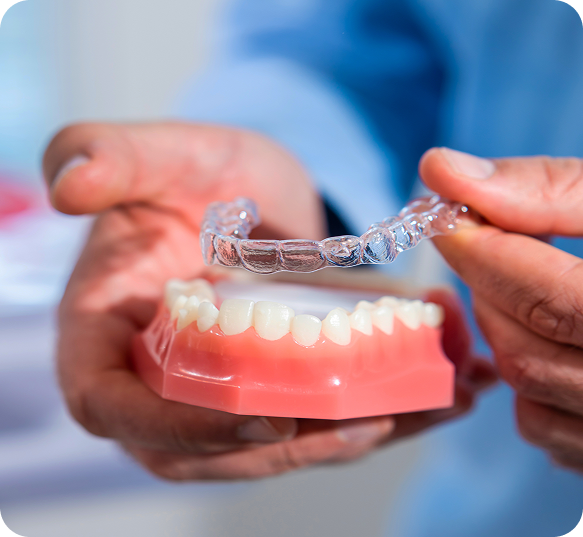
- Visit our welcoming Wellington or Boynton Beach office. We’ll take quick 3D digital scans (no messy impressions!) and discuss your smile goals with Dr. Petrover.
- Before you even begin, you’ll see a customized 3D preview of your new smile — a clear vision of what’s ahead.
- Wear your custom aligners throughout the day, switching to a new set every week or two. Most patients see noticeable changes in just a few months.
The Expertise Behind Every Aligning Smile - 4
Invisalign is an amazing system — but it’s the orthodontist behind it that determines your results.
As a board-certified orthodontist, Dr. Petrover combines art, science, and precision to create smiles that look natural, function beautifully, and last for life.
- Expertly trained in complex Invisalign cases
- Personally designs and monitors every treatment plan
- Focuses on long-term health as well as aesthetics
- Known throughout Wellington and Boynton Beach for his warm, genuine care
Affordable, Transparent Care — No Surprises - 5
Your best smile shouldn’t come with financial stress. We make Invisalign affordable for every family with flexible, transparent options:
- Low Monthly Payments designed to fit your budget
- Insurance Coordination — we’ll verify and file for you
- Family Discounts for multiple patients
You’ll receive a personalized cost estimate during your free consultation — clear, simple, and pressure-free.

Stop Hiding Your Smile. Start Loving It. - 7
It’s amazing what a confident smile can do — not just for how you look, but how you feel.
Whether you’re a busy professional, a parent on the go, or a teen ready to shine, Invisalign makes it possible to get the smile you’ve always wanted — without missing a beat.
Dr. Petrover and his caring team in Wellington and Boynton Beach are ready to make it happen — with warmth, precision, and a process that truly fits your life.
Get a Free ConsultationInvisalign FAQs for Wellington &
Boynton Beach Patients
Invisalign treatment in Palm Beach County typically ranges from $3,000 to $8,000, depending on how complex your case is and how many aligners you need.
- Mild cases with small gaps or minor crowding are usually on the lower end.
- Moderate to complex cases (bite issues, significant movement) may be higher.
Most patients choose Invisalign because the cost is predictable and flexible—with payment plans, 0% interest options, and insurance benefits that may cover a portion of treatment. During your free consultation, you’ll get an exact estimate tailored to your smile and goals.
How long does Invisalign treatment usually take?
Invisalign and braces both work well. The best option depends on your needs, lifestyle, and treatment goals.
Invisalign and braces both work well. The best option depends on your needs, lifestyle, and treatment goals.
Most people qualify for braces. Certain dental conditions may need to be addressed first, which your orthodontist will guide you through.
Most people qualify for braces. Certain dental conditions may need to be addressed first, which your orthodontist will guide you through.
Smiles That Make You Feel Good Inside and Out
At Petrover Orthodontics, we believe orthodontic care should be something you look forward to—not something you dread. Our patients tell us they come for straight teeth but stay for how they’re treated.
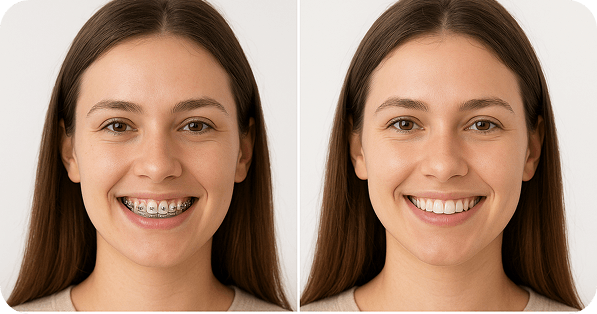
Because here, every smile matters—and every person does too.

“Dr. Petrover and his staff were always warm and caring. The office is super efficient, so they never wasted a moment of my time, and the staff truly treated me like family! I even got my braces off faster than all my friends!”

Stephanie P
“Dr. Petrover and his staff were always warm and caring. The office is super efficient, so they never wasted a moment of my time, and the staff truly treated me like family! I even got my braces off faster than all my friends!”
Stephanie P
“Dr. Petrover and his staff were always warm and caring. The office is super efficient, so they never wasted a moment of my time, and the staff truly treated me like family! I even got my braces off faster than all my friends!”
Stephanie P
Serving Wellington, Boynton Beach, and families across Palm Beach County.